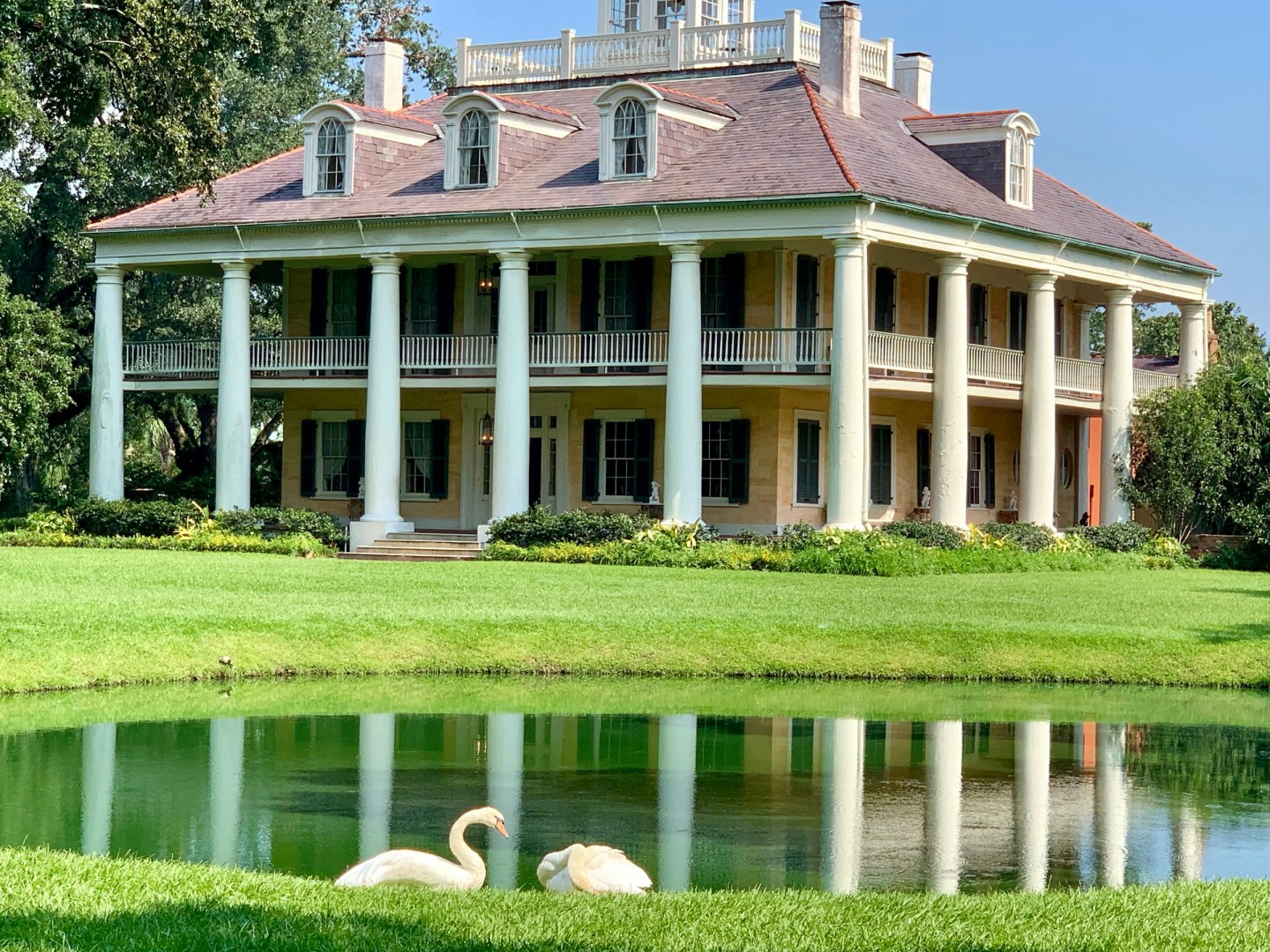
Darrow is a small community in Ascension Parish along the east bank of the Mississippi River, positioned between Baton Rouge and New Orleans on Louisiana’s historic Great River Road. Its identity is closely connected to the river, sugar-cane agriculture, and the plantation landscapes that line this stretch of the Mississippi. Rather than functioning as a large urban destination, Darrow offers access to historic estates, gardens, museums, and rural river scenery. The community is particularly known for Houmas House, a major historic estate that has helped make Darrow one of the notable stops along the River Road.
Darrow’s cultural history reflects the complex development of Louisiana’s Mississippi River plantations, including the growth of sugar agriculture and the lives of the enslaved people whose labor sustained these estates. Houmas House takes its name from the Indigenous Houma people associated with the region, while its architecture and collections illustrate the influence of French, Creole, and American traditions. The nearby Hermitage Museum is recognized as an early example of Greek Revival architecture in Louisiana. Together, these sites provide opportunities to examine architecture, plantation society, Indigenous connections, agriculture, and the broader history of the lower Mississippi River.
Houmas House Estate and Gardens is Darrow’s best-known attraction, with a Greek Revival mansion, extensive formal gardens, mature live oaks, and the Great River Road Museum. The museum explores the culture, commerce, folklore, and music connected with life along the Mississippi River. The estate also includes several historic structures, restaurants, and walking areas. Beyond Houmas House, the surrounding Great River Road connects Darrow with other historic communities and estates, including sites in nearby Vacherie and Sorrento. The Mississippi itself remains an important part of the landscape, shaping the fertile agricultural plain and the settlement pattern along the river.
Food in Darrow reflects the culinary traditions of south Louisiana, where Creole and Cajun influences meet the agricultural products of the Mississippi River region. Houmas House provides several dining options featuring Louisiana dishes, while the wider Great River Road is known for restaurants serving seafood, seasonal produce, and regional specialties. Sugar cane remains an important visual feature of the surrounding countryside and helps explain the area’s historic development. Another distinctive feature is the concentration of historic plantations along this section of the river, allowing Darrow to serve as a useful base for exploring Louisiana architecture, agriculture, and river culture within a relatively compact area.
Other Popular Destinations in Louisiana